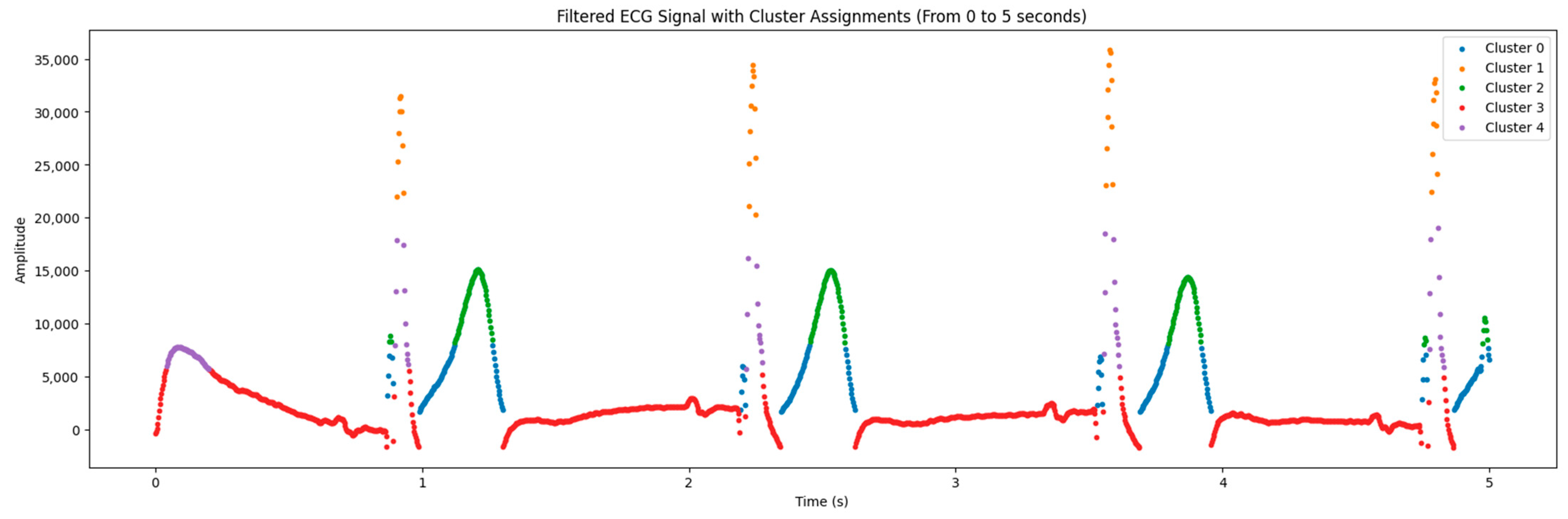
Android Based ECG monitoring health monitoring Circuit Diagram Heart disease remains the leading cause of death in the United States, responsible for 1 in 5 deaths annually.However, promising advancements in wearable technology could provide a convenient way for early detection and prevention. An electrocardiogram (ECG) measures the electrical activity of the heart to detect irregularities.
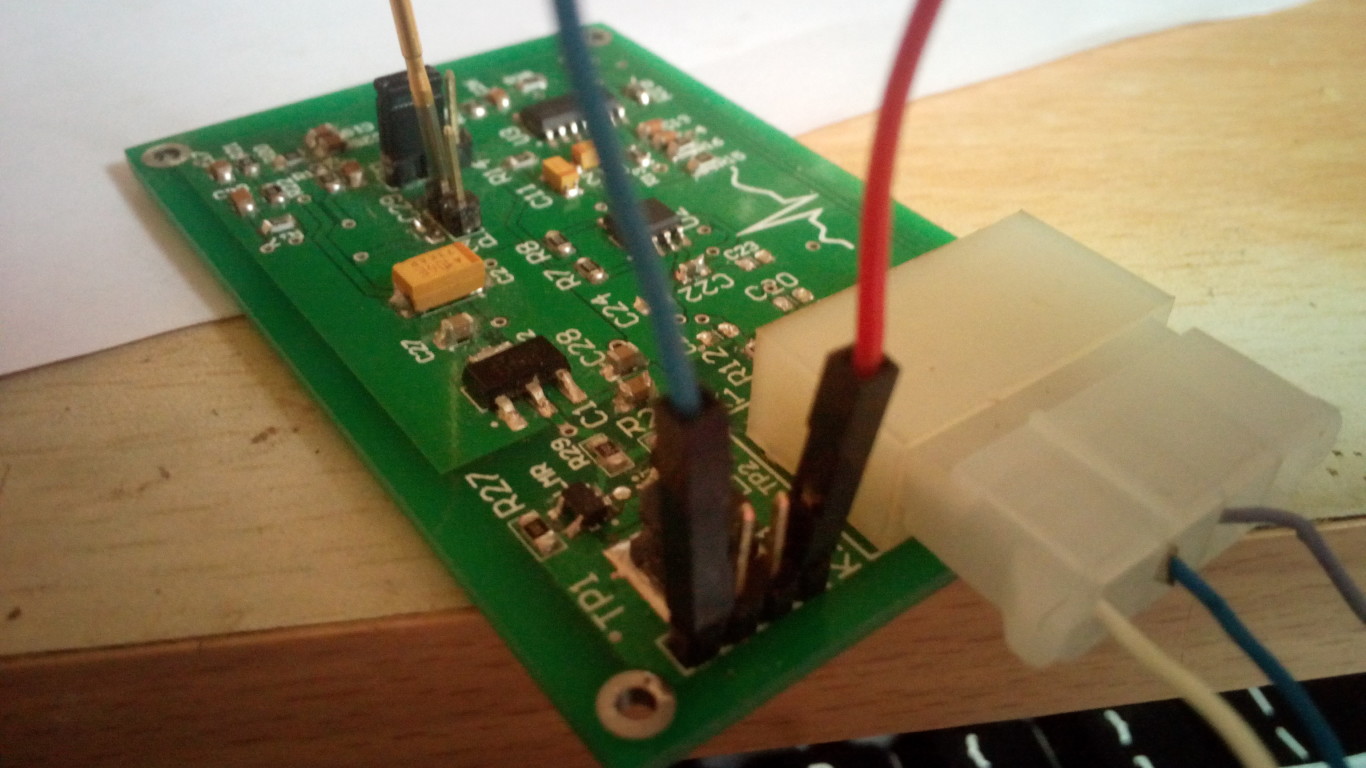
This project involves developing a Heart Rate Monitoring Device using an Arduino UNO, an analog heart rate sensor, an OLED screen, an HC-05 Bluetooth module, a piezo buzzer, a vibration motor, and an LED.The system continuously monitors heart rate and displays it on an OLED screen. Additionally, it transmits the heart rate data to a smartphone app via Bluetooth for remote monitoring with a The DIY ECG sensor works on 3.3V logic, hence it was connected to the 3.3V rail on the Arduino nano board. The DIY ECG sensor had a LO+ and LO- pins where the digital pin 6 (D6) and the digital pin 5 (D5) were connected respectively. These pins were used to check that the ECG sensors were not reading.

6 Best ECG Monitors for Personal Use Circuit Diagram
Wireless and Wearable Heart Rate Monitoring Device: Health monitoring has always been a promising application for the Internet of Things (IoT). But also, when it's switched into direct link mode, it sends all this information (together with high-resolution ECG data) via radio protocol that is compatible with the generic nRF24 chip. So the

ECG was thrust into the wearable spotlight via the Apple Watch Series 4 way back in 2018, but it can now be found on smartwatches from Samsung, Google, Fitbit, and even Huawei and Garmin.
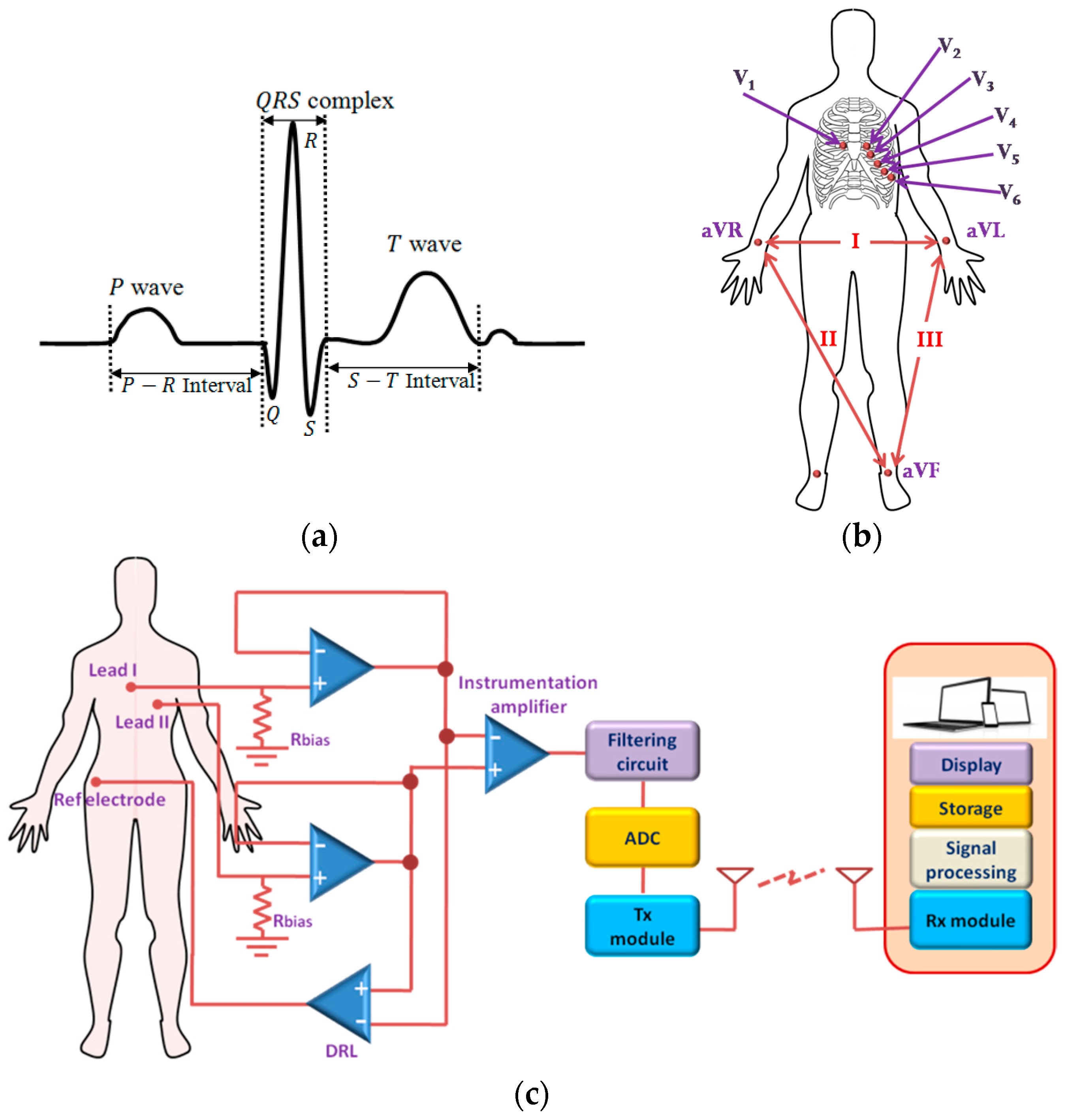
5 Ways to Use Wearable Technology for Heart Health Circuit Diagram
Some personal-use ECG devices have built-in screens so you can see your heart rhythm on the monitor. Other devices connect to a smartphone or computer application where you can record, view, store But wearable technology, such as a smartwatch, ECG band, chest strap, smart ring or clothing embedded sensors, can be a helpful tool for tracking your health. Vrinda Trivedi, MD. These wearable devices use motion and biometric sensors to collect data that can provide a general picture of your heart health while you go about your day. But then, newer monitors, including the more convenient ECG patch monitors, stretched that monitoring interval to a few weeks; however, these require a prescription from your doctor. you may want to consider getting a wearable device that you can then use to make an ECG recording the next time it happens. An irregular pulse algorithm is